
By Jen Hutchinson, Founder & Principal Consultant, Transform Together Consulting
Why your next meeting is the easiest place to start leading differently
Culture can feel impossible to change. It's invisible, it's everywhere, and it seems to belong to everyone and no one. Leaders launch values statements, engagement surveys, and strategic plans, and a year later, the way people actually work together looks about the same.
There's a simpler place to start: your next meeting.
Meetings are where culture shows up
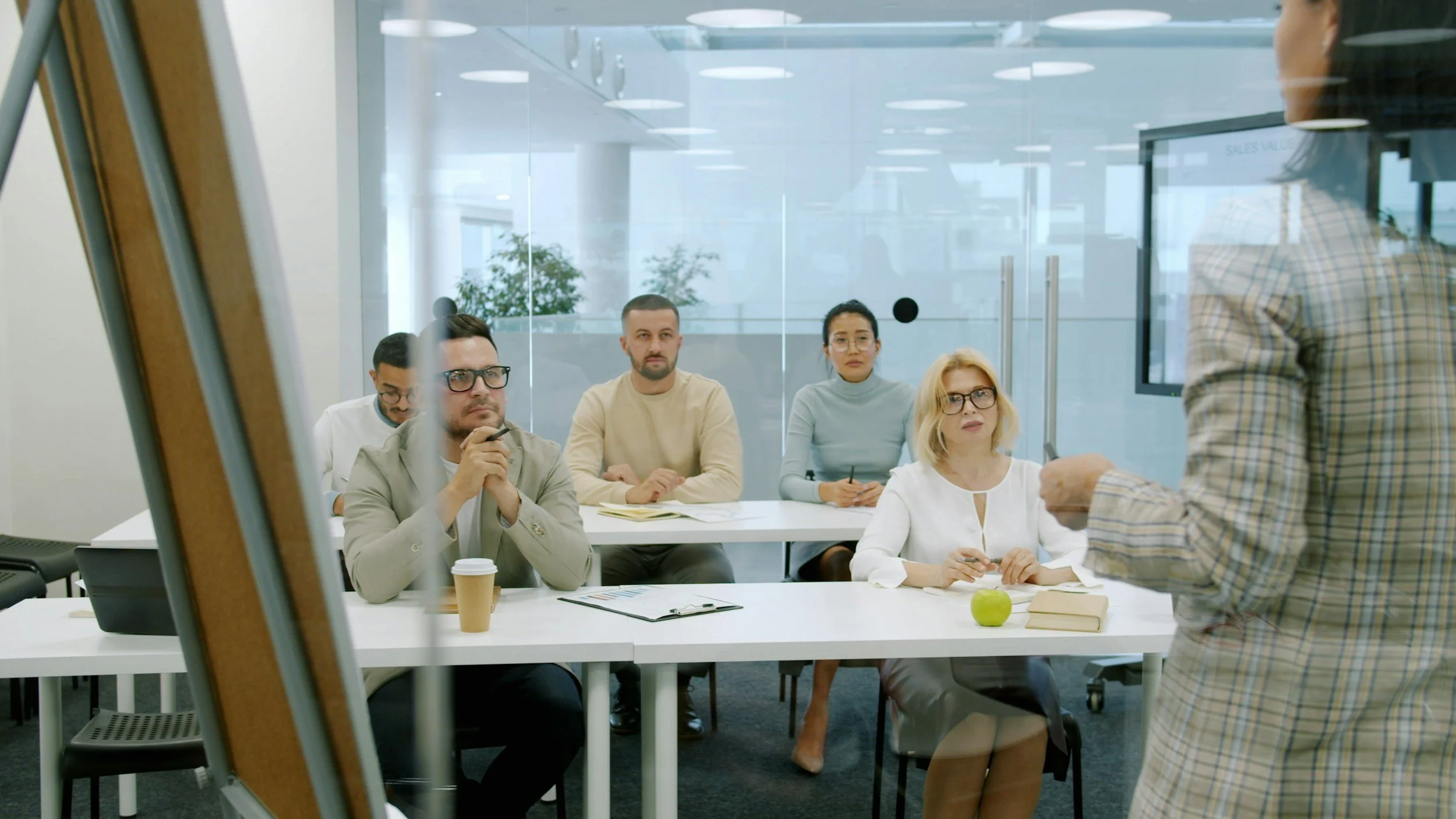
If you want to see how an organization really works, skip the org chart and sit in on a team meeting. In an hour, you'll learn who gets heard and who stays quiet. Whether disagreement feels safe or risky. Whether decisions get made in the room or somewhere else afterward. Whether people leave knowing what happens next.
Meetings are where heroic leadership plays out in real time. The leader talks most and decides everything. Problems get raised only after they've become crises. People nod along, then share their real concerns in the hallway. Action items drift because nobody quite owns them, so the leader picks them up, again.
None of this is anyone's fault. It's simply what happens when a room runs on habit instead of design.
Why one room matters more than you think
Meetings repeat. A weekly team meeting happens fifty times a year. A monthly board meeting shapes every major decision the organization makes. Each one either reinforces old patterns or practices new ones.
That's what makes meetings such a powerful lever. You don't need a reorganization or a culture initiative to begin. Change how one meeting runs, and people start to experience a different way of working together. When it works, they bring it into other rooms. Small, repeated practice is how culture actually shifts.
What a trauma-informed meeting looks like
Trauma-informed leadership recognizes that people bring their whole experience into the room, including stress, past experiences of being dismissed, and the weight of difficult work. A trauma-informed meeting is designed so people can think clearly, speak honestly, and contribute fully.
In practice, that often means:
A predictable structure. People know what the meeting is for, what will be decided, and how. Predictability lowers anxiety and frees up attention for the actual work.
More than one way to contribute. Not everyone thinks best out loud and on the spot. Rounds, written input, or time to reflect bring in voices that usually stay quiet.
Safe ways to disagree. When disagreement is invited and handled with care, problems surface early, while they're still small.
Clear endings. Every meeting closes with decisions named, owners assigned, and next steps clear, so nothing quietly lands back on one person.
These aren't soft extras. They're the difference between a meeting that drains people and one that moves the work forward.
Start Monday
You don't have to overhaul everything at once. Pick one recurring meeting. Try one new practice. Notice what changes in who speaks up, what gets raised, and how people leave the room.
That's how culture changes: one room at a time.
Free guide: How to Lead a Trauma-Informed Meeting: Change Your Culture One Room at a Time. Get a practical guide and a ready-to-use tool you can bring to your team on Monday